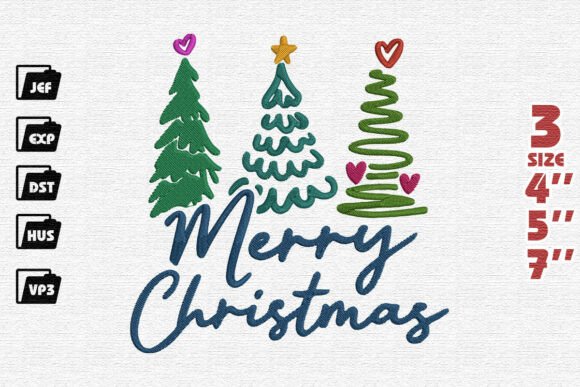
Merry Christmas Text Embroidery Review
As an embroidery designer who has spent years translating digital concepts into tangible, stitched assets for small businesses, I approach every new design file with a mix of creative appreciation and critical scrutiny. When evaluating Merry Christmas Text Embroidery, we are not just looking at aesthetics; we are assessing its viability as a commercial asset. The product description paints a vivid picture: "Add a touch of sunshine to your projects with this delightful trio of white daisies Each bloom features a cheerful yellow center, soft white petals, and earthy green le." While the title suggests a textual focus on the holiday season, the description highlights a floral motif. This discrepancy is common in digital marketplaces, but for a professional, it raises important questions about how the final embroidered patch or logo will translate to physical merchandise.
First Impressions: Professionalism Meets Playfulness
The initial visual concept described—white daisies with yellow centers and green leaves—evokes a sense of warmth, simplicity, and approachability. In the world of brand identity, these colors signal freshness and optimism. For a small business, particularly one in the lifestyle, home goods, or artisanal food sectors, this aesthetic can be incredibly powerful. It feels handmade yet polished, avoiding the overly ornate or cluttered look that can sometimes plague holiday-themed designs.
However, the tension between the title "Merry Christmas Text Embroidery" and the floral description requires careful navigation. If you are purchasing this file for a general holiday collection, ensure the text element is present and legible. If the design relies solely on the daisy motif, it may lean more toward a spring or summer vibe unless paired with specific red or green thread accents. As a designer, my first impression is that this design has high potential for small business merch because it is clean and versatile. It avoids the cliché of heavy, dark winter themes, offering instead a lighter, more inclusive feel that many modern brands prefer.
Real-World Business Applications
Let us examine how Merry Christmas Text Embroidery (or its floral interpretation) performs across various commercial applications. The versatility of a simple floral cluster makes it an excellent candidate for multiple touchpoints.
- Embroidered Patches: A trio of daisies translates beautifully to a circular or shield-shaped patch. These are perfect for sewing onto denim jackets, canvas tote bags, or as badges on aprons. The clean lines of the petals allow for clear definition even at smaller sizes, which is crucial for brand recognition.
- Staff Uniforms and Aprons: For boutique coffee shops, bakeries, or florists, this design offers a subtle branding opportunity. Placed on the chest pocket of a work shirt or the bib of an apron, it adds a touch of personality without overwhelming the uniform. It suggests a friendly, customer-focused environment.
- Cap Embroidery: On structured caps, a compact floral arrangement works well on the front panel. It provides a softer alternative to traditional sports logos, appealing to a demographic that values aesthetics alongside function.
- Tote Bag Design: Canvas totes are a staple for Etsy sellers and crafters. This design prints and stitches cleanly on natural cotton canvas. The contrast between the white petals and the fabric texture creates a premium look that customers associate with quality.
- Product Packaging Accents: Beyond apparel, consider using this design on hang tags or gift boxes. A small embroidered label sewn onto packaging elevates the unboxing experience, reinforcing the handmade product narrative.
Strategic Brand Identity and Customer Trust
Incorporating Merry Christmas Text Embroidery into your product line does more than decorate an item; it communicates values. A consistent use of such designs builds visual consistency across your brand. When customers see the same floral motif on their tote, their apron, and their gift wrap, trust increases. It signals attention to detail and care in production. Furthermore, the cheerful nature of the daisy motif can enhance buyer engagement, making the brand feel accessible and joyful during the busy holiday season.
Where to Exercise Caution
While the design is promising, there are specific scenarios where caution is advised. Not all fabrics and surfaces treat embroidery equally.
- Small Patch Sizes: If you intend to use this as a tiny logo on a cuff or a small accessory, ensure the stitch count is low enough to prevent puckering. Detailed outlines on small scales can blur together.
- Curved Surfaces: Embroidering on curved items like baseball caps or rounded bottles requires precise digitizing. If the design is too wide, it may distort when pulled tight against the curve.
- High Stitch Density: Check the stitch density of the file. Dense areas can make fabric stiff and uncomfortable, especially on lightweight t-shirts or delicate linens. For custom apparel, lighter densities often yield a more professional finish.
- Dark Uniforms: The description mentions white petals. On dark fabrics, you will need underlay stitching or a contrasting background color to make the white pop. Ensure your machine settings account for this to maintain clarity.
- Frequent Washing: For items like staff aprons that undergo industrial laundering, verify that the thread colors are colorfast and that the design structure is robust enough to withstand friction.
Practical Designer Notes for Production
Before committing to a large production run, I recommend following these steps to ensure the best outcome for your commercial embroidery projects.
Test in Black and White: Convert the design to grayscale to check contrast and balance. This helps identify if any elements are too faint or if the spacing between the daisies is adequate.
Check Small Scale Legibility: Zoom out or create a miniature mockup. Can you still distinguish the individual blooms? If not, simplify the design or increase the size.
Review Thread Color Contrast: The description specifies white, yellow, and green. Test these threads on your actual target fabric. White on white-on-white can disappear, so ensure the base fabric provides enough contrast or use a backing layer.
Inspect Spacing and Hoop Size: Confirm the hoop size required by the file. Ensure it fits within your standard production hoops to maximize efficiency. Also, inspect the spacing between elements to ensure they do not overlap awkwardly during stitching.
Test on Real Fabric: Always run a test sample on the exact fabric you plan to use. Different textures react differently to needles and stabilizers. A design that looks perfect on screen may pucker on a thick wool blend but shine on smooth cotton.
Use Proper Stabilizer: Select the correct stabilizer (cut-away vs. tear-away) based on the fabric’s stretch and weight. This is critical for maintaining the shape of the design over time.
Create a Printable Mockup: Before producing hundreds of units, create a printable mockup to show clients or stakeholders. This allows for feedback on placement and scale without wasting materials.
Compare with Other Assets: Place this design beside your other design assets to ensure it aligns with your overall brand style guide. Does it fit the mood? Is it consistent with your previous holiday collections?
Confirm Commercial Licensing: Finally, and perhaps most importantly, verify the licensing terms. Ensure you have the right to sell products featuring this digital embroidery file. Avoiding legal issues protects your small business reputation and bottom line.
Final Verdict
Merry Christmas Text Embroidery, with its described floral charm, offers a fresh take on holiday branding. It is well-suited for businesses aiming for a warm, inviting, and high-quality image. By paying close attention to technical details like stitch density, fabric choice, and licensing, you can transform this design into a successful component of your product line. Whether used for apron embroidery, tote bag design, or branded patches, it has the potential to add a memorable touch to your customer’s experience. Just remember to validate the file’s specifics against your production capabilities before hitting 'start' on the machine.