Daisy Flower Floral Embroidery Design Review
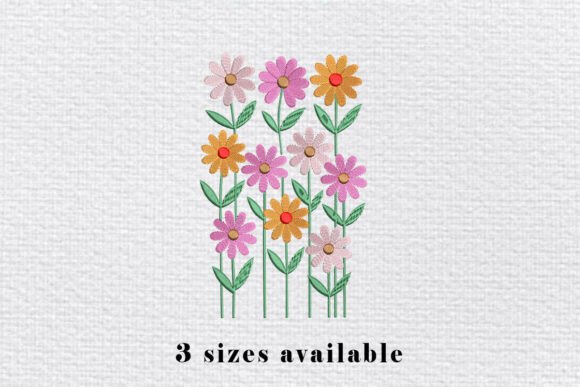
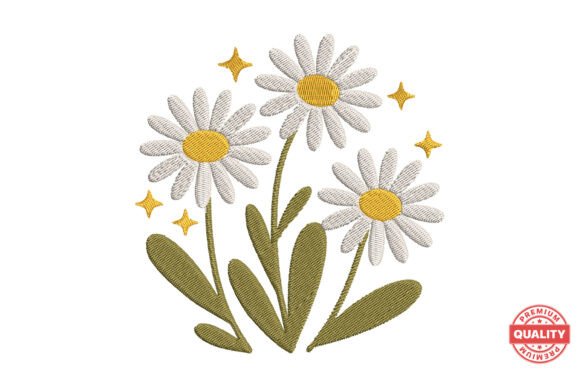
As an experienced embroidery designer, I spend my days evaluating how digital files translate into physical products. For small business owners, Etsy sellers, and apparel decorators, the difference between a good design and a profitable product often comes down to stitch quality, visual impact, and brand alignment. Today, I am reviewing the Daisy Flower Floral Embroidery Design, a piece that promises to add a touch of sunshine with its trio of white daisies featuring cheerful yellow centers and soft petals. But does it hold up when scaled for commercial use?
This review is not just about aesthetics; it is about functionality in a business context. Whether you are creating branded patches, staff uniforms, or high-margin merchandise, understanding the practical application of this machine embroidery design is crucial.
First Impressions: Personality and Visual Appeal
The description highlights "cheerful yellow centers" and "soft white petals," which immediately suggests a friendly, approachable aesthetic. In the world of branding, this design feels handmade yet polished. It leans towards rustic elegance rather than corporate rigidity. This makes it particularly effective for businesses that want to convey warmth and authenticity.
For a florist, bakery, or boutique, the natural imagery of daisies aligns perfectly with values of simplicity and purity. However, because the design features a trio of blooms, it has a balanced composition that works well as a focal point without overwhelming the garment. It strikes a balance between being decorative and professional, avoiding the cluttered look that can cheapen a product’s perceived value.
Real-World Business Applications
Let us look at where this Daisy Flower Floral Embroidery Design truly shines in a commercial setting. The versatility of a floral motif allows it to adapt to various product categories, provided the execution is correct.
- Embroidered Patches: One of the most lucrative markets for small businesses is custom patches. This design’s clustered layout makes it ideal for a chest-sized patch on denim jackets or backpacks. The contrast between the white petals and yellow centers pops beautifully against darker fabrics, making it a strong choice for embroidered patch applications.
- Staff Uniforms and Aprons: For café owners or restaurant managers, branding needs to be subtle but recognizable. Placing this design on the breast pocket of a white or navy apron adds a touch of personality without distracting from the service. It elevates the custom apparel from generic workwear to branded experience.
- Caps and Hats: Cap embroidery requires designs that fit within a curved, limited canvas. A single bloom or a carefully spaced trio can work beautifully on the front panel of a baseball cap or a structured bucket hat. It appeals to the casual, trendy demographic often targeted by lifestyle brands.
- Tote Bags and Product Packaging: Canvas tote bags are a staple for small business merch. This design offers a premium alternative to printed graphics. When embroidered on a natural cotton tote, it reinforces the idea of quality and sustainability, key selling points for eco-conscious consumers.
- Etsy Branding and Digital Assets: Even if you sell digital files, having a physical mockup of this design helps buyers visualize the end result. A high-quality printable mockup showing the daisies on a linen shirt or a wooden sign can significantly boost conversion rates.
Strategic Considerations and Potential Pitfalls
While the design is charming, an experienced eye must identify where it might fail. Not every surface is suitable for every embroidery style. Here are critical areas where caution is required.
Small Patch Sizes and Detail Loss: If you plan to reduce this design to a very small size (under two inches), the individual petals may merge together, losing definition. Always test the design at your target scale. If the yellow center becomes indistinguishable from the white petals, the design will look muddy rather than cheerful.
Fabric Texture and Contrast: Embroidery relies heavily on light reflection. On dark or heavily textured fabrics like heavy wool or rough burlap, the white petals might get lost or require excessive underlay stitches, which can stiffen the fabric. For best results, use this design on smooth cottons, polyesters, or blends where the thread can lay flat and show true color.
Curved Surfaces: When embroidering on items like caps or sleeves, the curvature can distort the spacing of the flowers. A design that looks perfect flat may appear stretched or compressed on a curved form. Proper hooping techniques and stabilizers are non-negotiable here.
High Stitch Density: Check the stitch density of the file. If the yellow centers are too dense, they may pucker the fabric over time, especially after frequent washing. For items that need to remain soft to the touch, such as baby clothes or lightweight tees, ensure the design uses appropriate satin stitch widths and fewer fill stitches.
Impact on Brand Identity and Customer Trust
Your merchandise is often the first physical interaction a customer has with your brand. A poorly executed embroidery job can signal low quality, while a crisp, well-placed design signals professionalism. The Daisy Flower Floral Embroidery Design, when executed correctly, enhances brand identity by communicating approachability and attention to detail.
Consistency is key. If you use this design across multiple products—say, on a tote bag, a sticker, and a uniform—it creates a cohesive visual language. Customers begin to associate the daisy motif with your specific standard of quality. This visual consistency builds trust and encourages repeat purchases. Furthermore, handmade presentation matters; customers are willing to pay a premium for items that look artisanal and thoughtfully crafted.
Practical Designer Notes for Production
Before you hit the "start" button on your production run, follow these essential steps to ensure success.
- Test in Black and White: Convert the design to grayscale to check contrast levels. Ensure the yellow centers stand out clearly against the white petals and the background fabric.
- Check Hoop Size: Verify that the final design dimensions fit comfortably within your machine’s hoop limits, leaving enough margin for stabilization.
- Stabilizer Selection: Use the correct stabilizer for your fabric. Cut-away stabilizers are generally recommended for garments that will be washed frequently, while tear-away may suffice for one-time use items like event banners.
- Thread Color Contrast: Confirm that your chosen thread colors match the intended look. Standard polyester threads offer durability and sheen, which enhances the "sunshine" effect of the yellow centers.
- Commercial Licensing: Always verify the licensing terms of the digital embroidery file. Ensure you have the right to sell physical goods made from this design, especially if you are using it for mass production.
- Create a Mockup: Before committing to bulk production, create a printable mockup or a single sample. Inspect the spacing, thread tension, and overall aesthetic on the actual material you plan to use.
In conclusion, the Daisy Flower Floral Embroidery Design is a versatile asset for any creative business. Its friendly, classic aesthetic makes it suitable for a wide range of applications, from delicate accessories to durable workwear. By paying close attention to technical details like stitch density, fabric choice, and scaling, you can transform this simple floral motif into a powerful tool for brand building and customer engagement. Remember, the goal is not just to decorate, but to deliver a finished product that reflects the highest standards of your craft.