Cute Daisy Trio Embroidery Design Review
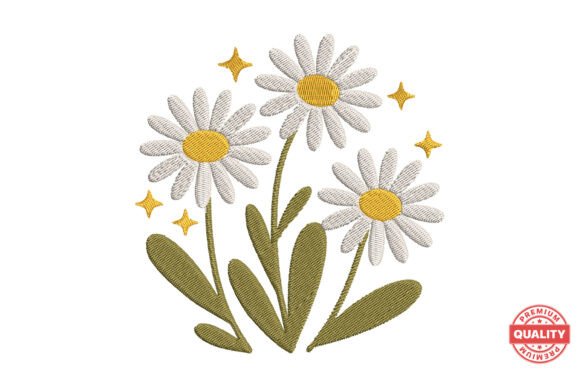
Setting up a booth for a weekend craft fair is equal parts excitement and anxiety. You spend weeks perfecting your handmade product lineup, ensuring every item on the table tells a story of quality and care. As an experienced embroidery designer who has sold thousands of units at markets and online, I know that the difference between a slow day and a sold-out sign often comes down to the design itself. It needs to be visually arresting from three feet away but detailed enough to appreciate up close. Today, I am reviewing the Cute Daisy Trio Embroidery Design, a file categorized under Single Flowers, to see if it has what it takes to become a bestseller in your shop.
First Impressions: The Visual Appeal
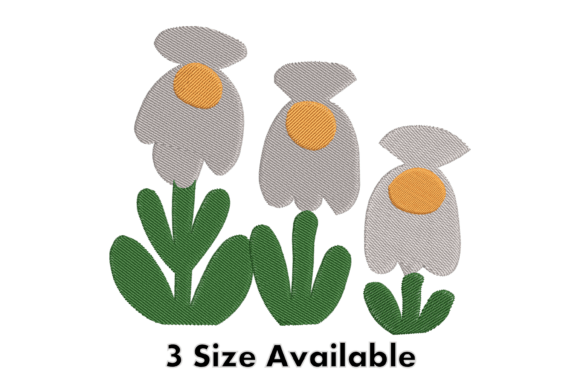
When you first load the Cute Daisy Trio Embroidery Design into your digitizing software, the immediate takeaway is its simplicity. In a market saturated with overly complex floral arrangements or heavy, dense patterns, this design stands out because it breathes. The title suggests a trio arrangement, which implies balance and rhythm rather than chaos. For the modern consumer, particularly those leaning toward farmhouse, rustic, or soft aesthetic trends, this feels approachable and charming.
The description notes that it is "simple yet adorable," which is a powerful combination for retail. Simple designs are easier for customers to understand instantly, while "adorable" triggers an emotional response. This isn't just a flower; it's a mood. It feels decorative without being fussy, making it versatile enough for various demographics. Whether you are targeting young girls, women looking for home accents, or even men who prefer understated style, this embroidery file hits a neutral but pleasing note that appeals to a broad audience.
Product Versatility: Where It Shines
The true test of any machine embroidery design is its adaptability. Can it work across multiple products without losing its charm? Based on the description’s mention of customization for t-shirts, hoodies, jackets, and general stitching projects, this design shows excellent potential for cross-category selling.
- Tote Bags and Market Bags: A trio of daisies looks fantastic centered on a canvas tote. It adds a pop of personality without overwhelming the bag’s utility. For an Etsy seller or boutique maker, a personalized tote with this design can command a higher price point as a gift item.
- Aprons and Tea Towels: Kitchen textiles are staples at craft fairs. The Cute Daisy Trio Embroidery Design works beautifully as a small accent near the pocket of an apron or clustered in the corner of a tea towel. It evokes a sense of homey comfort, appealing to buyers looking for functional decor.
- Caps and Patches: If the stitch density allows, this design can be scaled down for baseball caps or sew-on patches. A small daisy trio on the side of a cap offers a subtle, stylish detail that differentiates it from generic logo hats.
- Pillow Covers and Small Pouches: For home goods, this design adds a touch of elegance. On fabric pouches, it serves as a delightful focal point for makeup bags or pencil cases, items that are highly giftable during holiday seasons.
Production Practicality and Booth Display
From a production standpoint, efficiency is key to maintaining healthy margins. Designs that are too dense take longer to stitch, increasing labor costs. While we do not have the exact stitch count for this specific file, the description emphasizes simplicity, which usually correlates with manageable stitch counts. However, as a prudent designer, you must verify the stitch density before committing to bulk production.
For your booth display, visual hierarchy matters. This design is likely best used as a focal point rather than a background texture. When photographing printable mockups for your online listings or physical displays, ensure the lighting highlights the thread texture. The contrast between the thread colors and the fabric will determine how well the daisies pop. If the design features tiny details, ensure they remain legible when viewed from a distance. A design that looks crisp on screen but blurs on fabric will lead to customer dissatisfaction.
Furthermore, consider the repeatability. Can you produce ten of these in an hour? If the design requires frequent thread changes or complex positioning, it may slow down your workflow. Ideally, a cute daisy trio should allow for quick hooping and consistent placement, enabling you to create a stack of finished products quickly to restock your table during the event.
Careful Use Notes and Potential Pitfalls
Even simple designs require careful execution. Here are critical factors to evaluate before mass-producing items with the Cute Daisy Trio Embroidery Design:
- Stitch Density and Clarity: Check if the centers of the daisies are filled or outlined. Outlined centers can sometimes look sparse on thick fabrics like denim or heavy cotton towels. Ensure the hoop size accommodates the design without distortion.
- Fabric Texture: Avoid placing this design on heavily textured fabrics like bouclé or rough burlap unless you have tested it first. The fine details of the petals may get lost in the weave. Smooth cottons, linens, and blends are ideal.
- Thread Contrast: The choice of thread colors is crucial. High contrast between the petals and the background fabric ensures visibility. Low-contrast combinations (e.g., white flowers on cream fabric) may look elegant but can appear muddy or invisible in person.
- Small Lettering: If the design includes text alongside the flowers, inspect the lettering closely. Small fonts can unravel or merge together if the stitch length is not optimized. If there is no text, this risk is mitigated, allowing you to focus on the floral integrity.
- Curved Surfaces: When embroidering on caps or curved jacket panels, the design may stretch. Always use a stabilizer appropriate for the curvature and test on scrap material first to ensure the trio remains balanced and doesn’t skew.
Designer’s Checklist for Success
To maximize the commercial potential of this digital embroidery file, follow these practical steps:
- Test on Scrap Fabric: Never go straight to the final product. Stitch the design on the same type of fabric and thickness you plan to sell.
- Check Stabilizer Usage: Use the right stabilizer (cut-away for knits, tear-away for wovens) to prevent puckering, which ruins the premium feel of the finished product.
- Create Real Mockups: Before listing on Etsy or printing flyers, create at least one real-world sample. Photograph it in natural light to capture the true color and texture.
- Confirm Licensing: Verify the commercial embroidery license terms. Ensure you are permitted to sell physical items made from this design, especially if you are scaling up production.
- Compare Fabric Colors: Test the design on at least three popular fabric colors (white, black, and a pastel) to see how the thread colors interact with each.
In conclusion, the Cute Daisy Trio Embroidery Design appears to be a strong candidate for a wide range of craft fair products. Its simplicity makes it accessible, while its adorable nature gives it shelf appeal. By paying attention to stitch density, fabric choice, and presentation, you can transform this digital asset into a tangible small shop product that resonates with buyers. It is a design that promises to bring a touch of spring and charm to your booth, encouraging customers to stop, look, and buy.