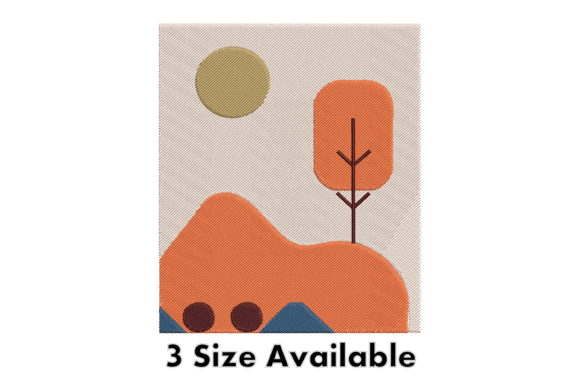
Minimalist Tree Landscape Embroidery Review
As an embroidery designer who spends most of my days troubleshooting tension issues and refining stitch paths, I am naturally skeptical when browsing new design assets. The market is flooded with complex, over-stitched designs that look beautiful in a digital mockup but fall apart on the hoop. That is why I approached the Minimalist Tree Landscape Embroidery from Creative Fabrica with a critical eye. I was looking for something that could translate well into a real-world commercial product—specifically, a line of modern, nature-inspired home goods and apparel.
This review is based on evaluating this machine embroidery design for potential use in customer orders, Etsy listings, and craft fair inventory. If you are a small business owner or a serious crafter, you need to know if this file delivers value beyond just being another pretty picture. Here is my honest breakdown of how this embroidery file performs in practice.
First Impressions: Visual Mood and Design Personality
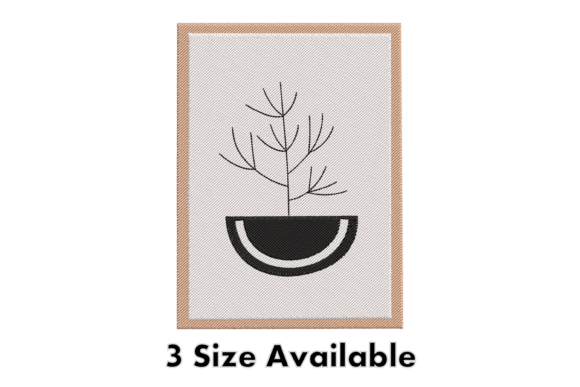
The moment I opened the file structure, the aesthetic appeal was clear. This is not a cluttered, vintage-style landscape. It is a clean, modern interpretation of nature. The design features stylized trees and mountain silhouettes that rely on negative space rather than dense coverage. For designers tired of fighting against heavy thread pools, this approach is refreshing.
The visual mood is serene and contemporary. It fits perfectly into the current trend of "quiet luxury" and minimalist home decor. When I looked at the stitch types available in the file, I noticed a smart mix of elements. There are likely sections utilizing satin stitch for crisp outlines, which gives the design definition, while other areas might use lighter fill stitch or even running stitch to create texture without bulk. This variety is crucial for maintaining a professional finish on delicate fabrics like linen or high-quality cotton tees.
The design feels less like a generic clip art and more like a curated piece of art. It has a decorative appeal that suggests it was made by someone who understands composition, not just someone who automated a vector path. This distinction matters when you are trying to build a brand identity around handmade quality.
Real-World Application: Where Does This Fit?
I evaluated this digital embroidery file across several common product categories to see where it would shine. The versatility of the Minimalist Tree Landscape Embroidery is one of its strongest selling points for entrepreneurs.
- Tote Bags: This is perhaps the most natural fit. A minimalist tree motif on a canvas tote bag screams "modern artisan." Because the design is likely compact, it works beautifully as a centered chest print or a subtle corner accent. It pairs exceptionally well with neutral-colored bags, allowing the thread colors to pop without overwhelming the garment.
- Kitchen Towels and Table Linens: In the realm of home goods, this design brings a touch of elegance. It transforms a standard kitchen towel into a gift-worthy item. The clean lines photograph incredibly well, which is vital for social media marketing and online listings.
- Apparel and Sweatshirts: While often associated with heavy jackets, this design also works on lightweight t-shirts. However, care must be taken with fabric weight. On a thin tee, you want to ensure the stabilizer does not leave a permanent ridge. On a sweatshirt, the contrast between the soft fleece and the structured embroidery creates a premium feel.
- Nursery Decor and Baby Items: The gentle, organic shapes of the trees make this suitable for baby blankets or nursery wall hangings. Parents often seek out designs that are calming and non-cluttered, making this a strong candidate for personalized gifts.
- Embroidered Patches and Caps: The defined edges of the mountains and trees lend themselves well to patch applications. Whether sewn onto denim jackets or embroidered directly onto the curved surface of a cap, the design holds its shape well.
Practical Considerations for Production
For any designer moving from digital creation to physical production, practicality is key. Here are some technical notes to keep in mind when using this embroidery design.
Hoop Size and Stitch Density
The product description notes that three sizes are available. This is a significant advantage. It allows you to scale the design for different products without distorting the proportions. However, always check the specific hoop size requirements for your machine before loading the file. If you are working with small hoops, such as 4x4 inches, ensure the smallest version of the design still maintains enough detail to be recognizable. A design that is too small can lose its character, turning into a blurry blob of thread.
Regarding stitch density, minimalist designs usually have lower density, which is excellent for reducing wear on your machine needles and speeding up production time. However, lower density means the underlying fabric shows through more. This requires you to choose the right base material. Lightweight, stretchy fabrics may pucker if the underlay stitches are too aggressive. Always test on scrap fabric first.
Fabric and Thread Selection
The success of this design hinges heavily on thread colors and fabric choice. Because the design relies on clean lines, high-contrast thread colors will enhance the visibility of the details. For example, dark green or navy thread on a white or cream background will make the tree silhouettes stand out sharply. Conversely, low-contrast combinations (like light gray on white) might look muddy or disappear entirely.
If you are embroidering on dark fabric, you will need to use a cut-away stabilizer and potentially a water-soluble topping to prevent thread sinking. Also, consider the washing durability. For items like aprons or tote bags that see frequent use, ensure the satin stitches are tight enough to resist fraying but not so tight that they distort the fabric weave.
Licensing and Commercial Use
Before adding this to your inventory, you must verify the licensing terms on the Creative Fabrica product page. Most platforms offer different tiers for personal use versus commercial resale. As a seller, you need to ensure you have the right to sell finished goods made from this embroidery file. Do not assume; read the fine print. Understanding these terms protects your business from legal issues and ensures ethical sourcing of your design assets.
Impact on Product Value and Branding
In the handmade market, presentation is everything. Using a high-quality, aesthetically pleasing design like the Minimalist Tree Landscape Embroidery elevates the perceived value of your handmade product. Customers are willing to pay more for items that look professionally finished and thoughtfully designed.
This design supports brand consistency. If your shop focuses on nature, simplicity, or modern rustic styles, this motif aligns perfectly. It helps create a cohesive collection. When customers see a matching set—a tote bag, a pillow, and a kitchen towel—all featuring variations of this same elegant tree landscape, it builds trust and encourages multiple purchases.
Furthermore, the clean lines of this design photograph beautifully. In an era driven by visual commerce, having printable mockups that showcase the embroidery clearly can significantly boost click-through rates. The lack of excessive detail means the design remains legible even in smaller thumbnail images on social media platforms.
Final Verdict
The Minimalist Tree Landscape Embroidery is a solid addition to any designer’s library, particularly those focusing on modern, lifestyle-oriented products. It avoids the pitfalls of overly complex files while still offering enough visual interest to engage customers. Its adaptability across various textiles—from sturdy canvas to delicate linens—makes it a versatile tool for both hobbyists and professionals.
However, remember that no file guarantees success on its own. Success comes from proper execution: testing your stitches, choosing the right materials, and presenting your work with care. By reviewing the file details, checking the stitch density, and confirming your licensing rights, you can confidently integrate this design into your workflow. It is a testament to the fact that sometimes, less is indeed more in the world of embroidery.