Lazy Duck Embroidery Design Review
As an embroidery designer who spends hours testing stitches and planning collections for my own handmade shop, I approach every new file with a mix of excitement and skepticism. Not every design translates well from screen to fabric, and not every cute motif works as a sellable personalized gift. Recently, I put the Lazy Duck Embroidery Design through its paces to see if it deserves a spot in my digital library. The result? It is a charming, cozy addition that hits the sweet spot between playful and serene.
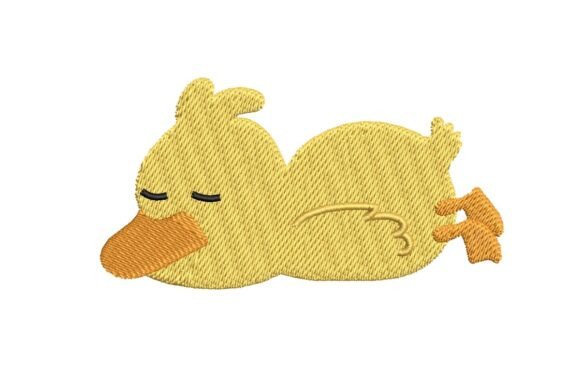
This machine embroidery design features a snoozing duckling with sleepy eyes, radiating a mood that is undeniably warm and inviting. When I first pulled up the preview, I didn’t just see a farm animal; I saw potential. I saw nursery decor, baby shower favors, and quiet moments captured in thread. Below, I break down how this embroidery file performs in real-world applications, who it appeals to, and what technical details you need to consider before stitching.
First Impressions: Mood and Charm
The immediate appeal of the Lazy Duck lies in its emotional resonance. In a market saturated with loud, bright motifs, there is something deeply comforting about a sleeping creature. This design feels cozy, classic, and slightly nostalgic. It avoids being overly childish while remaining accessible enough for young children. For Etsy sellers and small business owners, this versatility is key. It bridges the gap between a simple novelty item and a heartfelt keepsake.
The detail level is appropriate for the style. It isn’t so intricate that it requires microscopic attention to stitch placement, nor is it so simple that it looks unfinished. The "sweet sleepy eyes" mentioned in the product description are the focal point, drawing the viewer in. This makes it an excellent candidate for custom embroidery projects where the goal is to evoke a feeling of peace and comfort. Whether you are creating a blanket embroidery piece or a small accent on a tote bag, the design carries enough visual weight to stand alone without needing excessive surrounding text or graphics.
Best Uses for Personalized Gifts
When planning my next production run, I immediately identified several high-potential products for this Farm Animals themed design. Here is where I believe it will shine:
- Baby Embroidery Projects: A sleeping duck is perfect for a newborn’s world. It works beautifully on muslin blankets, swaddle wraps, and soft cotton onesies. Parents love items that suggest rest and calm, making this a strong contender for baby product creators.
- Kitchen Towels and Aprons: While ducks are farm animals, their association with bath time and playfulness makes them surprisingly popular in kitchens. An embroidered towel featuring this lazy duck adds a touch of whimsy to morning routines. It pairs well with simple script fonts for names like "Baker" or "Chef."
- Nursery Decor and Pillow Covers: For wedding gift designers creating gifts for newlyweds expecting their first child, a pillow cover with this design offers a modern yet traditional aesthetic. It fits seamlessly into neutral, pastel, or earth-tone nursery themes.
- Tote Bags and Market Totes: As a small shop product, this design is ideal for canvas totes. It is durable, recognizable, and appeals to a broad demographic. It is not gender-specific, which expands your potential customer base significantly.
- Wedding Keepsakes: Imagine a bridal party gift featuring this duck alongside other sleepy-themed elements. It suggests relaxation after the big day. It is a unique angle that stands out from standard monogrammed gifts.
Where to Exercise Caution
No design is universal, and understanding its limitations is part of professional practice. There are specific scenarios where the Lazy Duck Embroidery Design might struggle or require adjustments:
- Small Lettering: If you plan to add delicate, tiny text around the duck, ensure the font size is large enough to remain legible. Small details can get lost in the stitch density of the main motif.
- Textured Fabrics: Avoid using this on heavily textured fabrics like bouclé or thick chenille unless you have tested it extensively. The texture can obscure the fine details of the duck’s face.
- Thick Towels: While great for kitchen towels, very thick terry cloth can be challenging. You may need a cut-away stabilizer and a higher hoop tension to prevent the needle from hitting the dense loops, which could lead to skipped stitches.
- Stretchy Baby Clothes: On knit fabrics, always use a tear-away or wash-away stabilizer to prevent puckering. If the fabric stretches during stitching, the circular shape of the hoop might distort the duck’s form.
- Curved Surfaces: Stitching on curved items like mugs or hats requires specialized hoops. Ensure your machine software can handle the distortion correction for these shapes.
- Dark Fabric: The yellow color of the duck may lack contrast against dark backgrounds. Always check thread color contrast before committing to a full production run.
- Frequent Washing: If the final product will undergo frequent industrial washing, such as in a commercial laundromat setting, the stability of the threads becomes critical. Test for colorfastness.
Impact on Giftability and Perceived Value
In the world of handmade goods, perceived value is everything. The Lazy Duck Embroidery Design elevates the perceived value of basic items. A plain white pillow cover becomes a luxury nursery item once this design is applied. It signals that care was taken in the selection of the artwork.
For digital product sellers, this design also enhances your brand authority. Offering high-quality, emotionally resonant designs builds trust with your buyers. When customers see a finished product photo that looks this good, they are more likely to purchase. It encourages engagement because people naturally gravitate toward content that evokes positive emotions like warmth and nostalgia.
Practical Embroidery Notes for Makers
Before you start stitching, here are my essential tips to ensure success:
- Test on Scrap Fabric: Never go straight to your final product. Stitch the design on a scrap of the same fabric type to check for tension issues.
- Check Thread Colors: Compare the digital mockup with actual thread spools. Yellow can vary significantly between brands. Choose a thread that matches the "snoozing" vibe—perhaps a soft buttercup rather than a neon yellow.
- Confirm Hoop Size: Verify that your hooping area accommodates the design dimensions comfortably, leaving room for any additional text or borders.
- Review Stitch Density: High density can make a project stiff. If the duck feels too rigid after stitching, consider adjusting the underlay stitches in your software to improve drape.
- Use Proper Stabilizer: The choice of stabilizer is crucial. For lightweight fabrics, a water-soluble top stabilizer can help prevent sinkage. For heavy fabrics, a sturdy cut-away is best.
- Compare Mockups: Look at both light and dark fabric mockups to ensure the design pops in all contexts.
- Check Small Details: Zoom in on the stitched sample. Are the eyes distinct? Is the beak clear? These small details define the character.
- Commercial Licensing: Always confirm the commercial licensing terms before selling finished products. Ensure you have the right to use this digital embroidery file for resale purposes.
Ultimately, the Lazy Duck Embroidery Design is a winner for makers looking to add a touch of serenity to their inventory. It is practical, charming, and highly marketable. By following these guidelines, you can create beautiful, high-quality products that customers will cherish.