Growing Carrot Embroidery Design Review
As an embroidery designer who spends weekends navigating the hustle of craft fairs and handmade markets, I know that first impressions are everything. When a customer walks up to your booth, they have about three seconds to decide if a product is worth picking up. That is why evaluating a machine embroidery design isn't just about aesthetics; it is about marketability, production efficiency, and visual impact. Today, I am reviewing the Growing Carrot Embroidery Design, described as a "Garden Fresh Motif" that adds a charming touch of nature to projects. This review breaks down how this specific design performs for Etsy sellers, boutique makers, and anyone looking to create profitable handmade products.
First Impressions: Farmhouse Charm Meets Seasonal Appeal
The title "Growing Carrot Embroidery Design" immediately signals a rustic, organic vibe. In the world of craft fair products, farmhouse and garden themes are perennial bestsellers because they evoke feelings of home, freshness, and sustainability. The description highlights its suitability for kitchen towels, which suggests a soft, approachable aesthetic rather than something bold or aggressive.
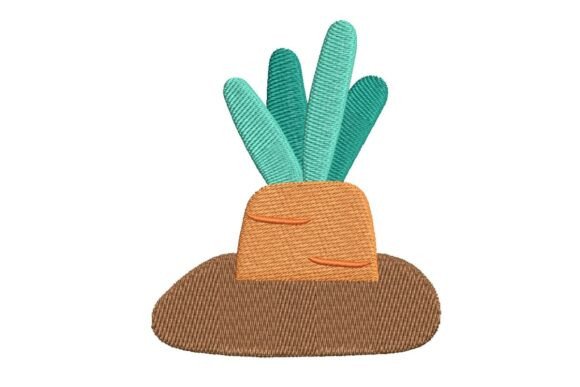
Visually, I expect this design to lean into cute and decorative territory. It likely features a carrot with leafy greens, perhaps with a slight curve to suggest growth. For a weekend vendor, this kind of imagery works exceptionally well during the spring season. While the category is listed under Easter, the design’s versatility allows it to bridge the gap between holiday-specific sales and general spring gardening decor. It feels premium enough to justify a higher price point on a finished good but accessible enough to appeal to casual browsers. If you are aiming for a brand consistency that screams "fresh from the garden," this motif delivers exactly that mood.
Product Application: Where Does It Shine?
Not every embroidery file translates well across different substrates. Here is how I see the Growing Carrot Embroidery Design performing on key items in a typical market booth display:
- Kitchen Towels and Tea Towels: This is the strongest candidate. A white or cream linen towel with a small-to-medium carrot motif near the hem creates an instant tea towel embroidery classic. It photographs beautifully for online listings and serves as a practical gift item. The contrast of orange thread against light fabric will pop, making it highly visible on a rack.
- Tote Bags and Market Bags: For a tote bag design, this motif works best as a chest pocket accent or a centered single placement. It adds a personal touch without overwhelming the canvas. Customers love tote bags that look like they belong in a farmer's market, and this design reinforces that narrative perfectly.
- Aprons: An apron embroidery featuring this carrot can target serious cooks and gardeners. Placing it on the bib or the lower front panel adds character. However, ensure the design scale matches the apron size; too small, and it gets lost; too large, and it may interfere with functionality.
- Embroidered Patches and Caps: The compact nature of a growing carrot makes it ideal for an embroidered patch or a cap front. These are impulse-buy items at craft fairs. A small, detailed carrot on a denim cap appeals to a broad demographic, from teens to grandparents.
- Pillow Covers and Small Pouches: On a pillow cover, this design can serve as a focal point for a dining room or nursery. For fabric pouches holding knitting supplies or makeup, it offers a cute, thematic closure detail.
Production Practicality and Sales Strategy
From a business owner’s perspective, ease of production is just as important as looks. The Growing Carrot Embroidery Design appears to be a balanced design that should stitch out relatively quickly, keeping your labor costs down. Quick turnaround times mean you can produce batches efficiently, which is crucial when restocking after a busy Saturday market.
When considering batch production, think about colorways. While the carrot itself implies orange and green, using varied thread colors can refresh the look. For example, a pastel green leaf on a sage green towel might feel more modern, while bright orange on white feels more traditional. This flexibility allows you to test what resonates with your local audience.
Photography is another critical factor. Because the design is naturalistic, it pairs well with props like fresh vegetables, wooden cutting boards, or sunlit windows. This enhances the perceived value of the finished product. A well-lit photo of a tea towel with this embroidery can drive clicks on your Etsy shop, turning a simple small shop product into a desirable digital asset for customers who want to visualize it in their homes.
Careful-Use Notes for Embroiderers
Even a charming design has technical pitfalls. Before committing to mass production, keep these practical notes in mind:
- Stitch Density and Detail: Check the stitch density in the leaf area. If the leaves are too thin, they may pucker or lose definition on textured fabrics like heavy canvas or waffle-weave towels. Ensure the design holds up when scaled down for smaller items like caps.
- Fabric Texture: The description mentions kitchen towels. Be aware that highly textured fabrics can obscure fine details. Always run a test stitch on the actual fabric you plan to sell to confirm clarity.
- Hoop Size and Placement: Confirm the required hoop size fits comfortably on your chosen product. A design that requires a large hoop might not fit on a standard tote bag pocket or a narrow apron strap.
- Stabilizer Selection: Use the right stabilizer for the fabric weight. A tear-away stabilizer is usually best for towels and lightweight cottons, while cut-away might be needed for stretchier fabrics like tote bag handles or cap fronts to prevent distortion over time.
- Thread Contrast: Ensure high contrast between the thread and the fabric. Low-contrast combinations (e.g., pale yellow carrot on white) often fail to catch the eye in a crowded booth setting.
Final Verdict for Creative Entrepreneurs
The Growing Carrot Embroidery Design is a strong contender for any maker looking to capitalize on the spring and garden trends. Its charm lies in its simplicity and relatability. It is not overly complex, which reduces production errors, yet it is distinctive enough to stand out among generic floral designs.
For commercial embroidery businesses, this design offers a low-risk, high-reward opportunity. It fits seamlessly into existing lines of kitchenware and accessories. I recommend creating at least one real mockup to assess how the design assets translate to physical goods. Compare different fabric colors and inspect the final output for any loose threads or puckering.
Remember to check the commercial licensing terms before selling finished products. Assuming the license permits it, this design can become a staple in your catalog. Whether you are displaying it on a booth table or listing it as a printable mockup for inspiration, the Growing Carrot Embroidery Design brings a fresh, joyful energy that customers are eager to bring into their homes. It is a testament to the power of thoughtful, nature-inspired digital embroidery files in driving sales for handmade artisans.