Floral Wreath Embroidery Designs Review
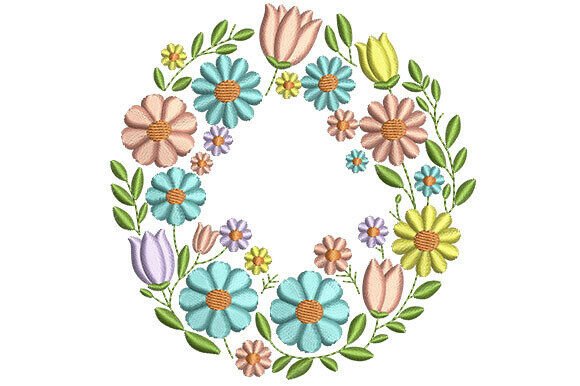
As an embroidery designer who has spent years digitizing patterns for everything from high-end corporate uniforms to boutique Etsy merchandise, I approach every new embroidery file with a critical eye. It is not enough for a design to simply look pretty on a screen; it must perform reliably on the machine and elevate the brand it adorns. Today, I am reviewing the Floral Wreath Embroidery Designs, specifically the Spring Floral Wreath featuring tulips and harmonious arrangements. This review focuses on its viability for small business owners, apparel decorators, and digital file buyers looking to create professional branded products.
First Impressions: Visual Personality and Brand Fit
The immediate visual impact of Floral Wreath Embroidery Designs is one of blooming elegance. The description highlights a "harmonious arrangement," which suggests a balanced composition rather than a chaotic burst of color. For a small business, this balance is crucial. Whether you are running a local café, a handmade jewelry shop, or a creative studio, the design strikes a tone that is both friendly and premium. It feels elegant without being overly formal, making it versatile enough for a wide range of industries.
The inclusion of tulips adds a specific seasonal charm, but the wreath format ensures it remains timeless. A wreath implies completeness and celebration, which subconsciously communicates quality and care to the customer. When placed on a product, this design does not scream for attention; instead, it invites the viewer in. This subtlety is often what separates amateur branding from professional small business merch. It suggests that the brand values craftsmanship and aesthetic cohesion over loud, temporary trends.
Real-World Business Applications
In my experience, the true test of a machine embroidery design is how well it translates across different mediums. Here is how Floral Wreath Embroidery Designs performs in real-world commercial scenarios:
- Embroidered Patches: The circular nature of a wreath makes it an ideal candidate for embroidered patches. These can be used as back patches on denim jackets, front logos on beanies, or even as decorative elements on backpacks. The contained shape prevents thread from fraying into unintended areas, ensuring a clean finish.
- Staff Uniforms and Aprons: For bakeries, florists, or boutique retail staff, this design offers a perfect chest logo accent. It is soft enough to be approachable but structured enough to look uniform. On apron embroidery, it adds a touch of artisanal pride that customers appreciate.
- Cap Embroidery: Placing a floral wreath on the front panel of a cap is a classic move. However, because wreaths have intricate details, they work best when scaled appropriately. They add a feminine or rustic touch to custom apparel that stands out against solid-colored caps.
- Tote Bag Design: Canvas tote bags are a staple for handmade brands. A tote bag design featuring this wreath serves as a walking advertisement. The contrast between the sturdy fabric and the delicate floral threads creates a tactile experience that encourages customers to keep the bag, extending your brand visibility.
- Product Packaging Accents: Beyond apparel, this digital embroidery file can be stitched onto hang tags or gift boxes. Adding a tiny embroidered wreath to packaging elevates the unboxing experience, signaling to the buyer that the product inside is carefully curated.
Strategic Brand Identity Enhancement
Using Floral Wreath Embroidery Designs is not just about decoration; it is a strategic decision regarding brand identity. Consistency in visual assets builds trust. When a customer sees the same elegant floral motif on a hat, a shirt, and a tote bag, it reinforces brand recognition. The design’s inherent association with growth, nature, and beauty aligns well with businesses that want to project warmth and reliability. It enhances customer trust by suggesting that the business pays attention to detail—a trait customers transfer to their perception of the products themselves.
Technical Considerations and Potential Pitfalls
While the aesthetic appeal is high, an experienced designer knows that execution is key. There are specific areas where Floral Wreath Embroidery Designs requires careful handling to avoid production issues.
Small Patch Sizes and Cap Fronts: If you plan to use this design for very small patches or detailed cap fronts, you must scrutinize the stitch density. Intricate floral outlines can merge together if the design is too small, resulting in a muddy appearance. Always ensure the minimum size requirements are met to preserve the definition of individual petals and leaves.
Fabric Texture and Stabilizer Choice: The success of any embroidered patch depends heavily on the stabilizer used. For stretchy fabrics like t-shirts or hats, a cut-away stabilizer is essential to prevent puckering. On textured fabrics like heavy canvas or burlap, the underlying texture might interfere with the smoothness of the flower centers. Test stitching on your actual production fabric is non-negotiable.
Detailed Outlines and Thread Colors: High stitch density in the outlines can make the design stiff. If you are using dark uniforms, ensure there is sufficient contrast with your thread colors. Light pastel threads on dark backgrounds may require an underlay or multiple passes to achieve opacity, which increases production time and cost.
Curved Surfaces: Embroidering on curved surfaces like baseball caps or rounded tote handles can distort the wreath’s symmetry. Proper hooping techniques and potentially custom hoops may be necessary to maintain the circular integrity of the design.
Practical Designer Notes for Production
Before incorporating Floral Wreath Embroidery Designs into your commercial workflow, follow these practical steps to ensure a successful outcome:
- Test in Black and White: Convert the design to monochrome to check the spacing and density. This helps identify areas where stitches might overlap excessively or leave gaps.
- Check Small Size Legibility: Zoom in on the digitized file at 50% scale. Can you still distinguish the tulips? If not, the design may not be suitable for tiny labels or small patches.
- Review Thread Color Contrast: Select thread colors that pop against your target fabric. Don’t rely solely on the preview image; physical thread samples vary.
- Confirm Hoop Size: Verify the maximum hoop size required. Ensure your embroidery machines can accommodate the full diameter of the wreath without needing to re-hoop, which can misalign the design.
- Create a Printable Mockup: Before committing to bulk production, create a printable mockup to show clients or stakeholders. This allows for approval on placement and sizing before any fabric is cut.
- Inspect Spacing and Density: Look closely at the negative space within the wreath. Too much dense stitching can make the item stiff and uncomfortable, while too little can look sparse.
- Confirm Commercial Licensing: This is critical. Ensure you have the proper rights to use this design asset for selling finished goods. Many digital files are for personal use only; violating licensing terms can lead to legal issues.
Final Verdict for Small Business Owners
Floral Wreath Embroidery Designs is a strong contender for businesses seeking to add a touch of refined elegance to their product line. Its versatility across custom apparel, tote bag designs, and embroidered patches makes it a valuable addition to any design assets library. However, success lies in the details: proper stabilization, appropriate scaling, and strict adherence to commercial licensing agreements.
For the savvy entrepreneur, this design offers more than just decoration; it offers a tool for building a cohesive, trustworthy, and visually appealing brand presence. By treating the embroidery process with the same professionalism as the product itself, you transform simple items into memorable brand experiences. Just remember to always test on real fabric, compare it beside other design assets, and confirm that the final finished product meets your quality standards before it reaches the customer.