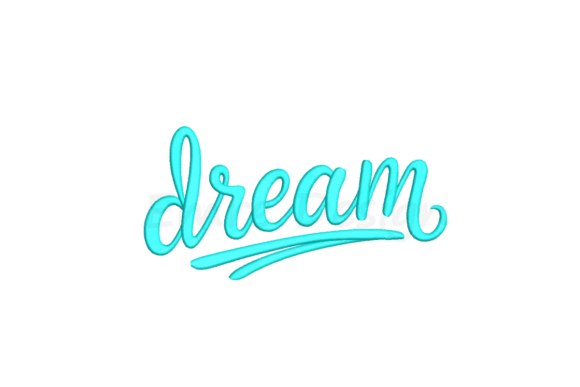
Dream Embroidery Design Review
As an embroidery designer who has spent years refining stitches for commercial production, I approach every new machine embroidery design with a critical eye. It is not enough for a file to simply stitch out; it must translate effectively into a physical product that enhances brand value. Today, I am reviewing the Dream Embroidery Design, an Inspirational category piece described as a "fun and whimsical touch" meant to spruce up fabrics like t-shirts, towels, and home decor. While the description suggests a decorative flair, my focus here is strictly on its viability for small business merch, branded patches, and professional apparel applications.
First Impressions: Personality Meets Professionalism
The moment you load this embroidery file, the visual personality of Dream Embroidery Design becomes apparent. The term "whimsical" in the product description signals a design that leans toward playful, charming, and perhaps slightly rustic or handmade aesthetics rather than strict corporate minimalism. For small business owners, particularly those in creative studios, bakeries, florists, or boutique retail, this character is a significant asset. It immediately communicates approachability and warmth.
However, "whimsical" can sometimes border on cluttered if the digitization is poor. From a designer’s standpoint, the first test is always visual balance. Does the design feel premium, or does it look like a hobbyist project? Based on the intended use for items like aprons and tote bags, Dream Embroidery Design appears to strike a balance between artistic expression and legibility. This is crucial because your customers are judging the quality of your brand by the quality of your stitching. A well-executed whimsical design suggests attention to detail and care, which directly impacts customer trust and perceived product value.
Real-World Business Applications
The true test of any digital embroidery file is its performance across various mediums. Here is how Dream Embroidery Design performs in real-world scenarios for entrepreneurs and makers:
- Embroidered Patches: One of the most lucrative uses for this design is creating custom embroidered patches. Whether sold individually on Etsy or attached to denim jackets and backpacks as merchandise, the whimsical nature of the design allows it to stand out against solid backgrounds. It works exceptionally well as a chest logo accent or a back-of-the-cap detail, adding a unique signature to otherwise generic headwear.
- Staff Uniforms and Aprons: For small cafes, boutiques, or craft businesses, staff attire is walking billboards. Applying Dream Embroidery Design to high-quality cotton aprons or work shirts humanizes the brand. Unlike rigid corporate logos, this design invites conversation. It signals that the business values creativity and personal touch, which can enhance the customer experience in brick-and-mortar stores.
- Tote Bag Designs: Tote bags remain a staple of sustainable branding. Because this design is described as bringing personality to home decor and fabrics, it translates beautifully onto canvas totes. It serves as both a functional item and a brand ambassador when customers carry it around town. Ensure the thread colors contrast sharply with the bag fabric to maintain visibility.
- Product Packaging Accents: Beyond apparel, consider using this design on garment tags, hangtags, or even stitched directly onto gift boxes for premium handmade products. This level of customization elevates the unboxing experience, reinforcing the idea of a handmade product crafted with love.
- Event Merchandise: For local markets, pop-up shops, or craft fairs, having branded merchandise creates immediate revenue streams. Dream Embroidery Design is versatile enough to be printed on caps, sweatshirts, or towels, allowing you to offer a cohesive range of custom apparel that aligns with your brand identity.
Strategic Placement and Limitations
While the design is charming, no single digital embroidery file is universally perfect. There are specific areas where Dream Embroidery Design requires careful consideration to avoid production pitfalls.
First, be cautious with stitch density. If the design contains intricate details or fine lines, scaling it down too small—such as on a tiny sleeve detail or a miniature patch—may result in muddy stitching where individual threads blend together. Always review the spacing and ensure that key elements remain distinct at the intended final size.
Secondly, consider the substrate. Textured fabrics, such as heavy-duty canvas or loose-weave linen, can distort delicate outlines. On dark uniforms or dark-colored totes, you may need to adjust thread colors or add a cut-away stabilizer to prevent the fabric texture from showing through the embroidery. Additionally, if the design includes tiny lettering, verify that it remains legible after washing. Items that require frequent laundering, like staff aprons, need robust digitization to withstand friction and detergent without fraying.
Curved Surfaces and Caps
If you plan to use this for cap embroidery, remember that curved surfaces challenge flat designs. Ensure the digitizer has accounted for curvature, or the design may pucker or distort on the front panel of a hat. Testing on a actual cap blank before committing to bulk production is essential.
Impact on Brand Identity and Customer Engagement
In the world of commercial embroidery, visual consistency is key. Dream Embroidery Design contributes to a brand identity that feels modern yet classic, playful yet professional. When customers see a consistent application of this design across your product line—from your website’s printable mockups to the physical goods—they begin to associate that whimsical charm with your business ethos.
This consistency builds recognition. A buyer who purchases a towel with this design today is more likely to return for a matching apron or tote tomorrow because the visual language speaks the same dialect. Furthermore, the "fun" aspect of the design encourages social sharing. Customers love posting photos of their unique, handcrafted finds online. By providing a design that sparks joy, you are essentially giving your customers free marketing material, boosting engagement and organic reach.
Practical Designer Notes for Production
Before integrating Dream Embroidery Design into your production workflow, I recommend following these practical steps to ensure a flawless finished product:
- Test in Black and White: Convert the design to monochrome to check contrast and spacing. If it loses impact without color, the structure itself needs adjustment.
- Check Small Patch Sizes: Digitize a small version (e.g., 2-3 inches) to ensure details do not disappear. This is critical for labels and subtle accents.
- Review Thread Color Contrast: Select thread colors that pop against your target fabric. High contrast ensures longevity and readability.
- Inspect Spacing and Density: Look closely at crowded areas. Excessive density can cause puckering, while too little can leave fabric visible.
- Confirm Hoop Size: Verify that the design fits within standard hoop sizes to minimize re-hooping and alignment errors.
- Test on Real Fabric: Never trust a screen simulation alone. Stitch out the design on the actual fabric type you intend to sell to assess drape and texture interaction.
- Use Proper Stabilizer: Match your stabilizer (cut-away vs. tear-away) to the fabric weight and stretch to prevent distortion.
- Create a Printable Mockup: Before cutting fabric, generate a realistic mockup for client approval or marketing materials. This helps visualize the final product without waste.
- Compare Design Assets: Place this design beside your other design assets to ensure it complements your existing brand palette and style guide.
- Confirm Commercial Licensing: Most importantly, double-check the license terms. Ensure you have the right to use this embroidery file for commercial resale on merchandise. Unauthorized use can lead to serious legal issues.
By treating Dream Embroidery Design with the same rigor as a custom client commission, you can leverage its whimsical charm to create high-value, professional-grade merchandise that resonates with your audience and strengthens your brand presence.