Cat in Heart Embroidery Review
Setting up a booth for a weekend craft fair or handmade market is equal parts excitement and anxiety. You want your table to pop, but you also need products that are quick to produce and easy to understand at a glance. As an experienced embroidery designer, I spend a lot of time evaluating machine embroidery design files before committing them to production. Today, I am reviewing the Cat in Heart Embroidery design to see if it has the potential to become a best-selling craft fair product.
First Impressions: Minimalist Meets Emotional Appeal
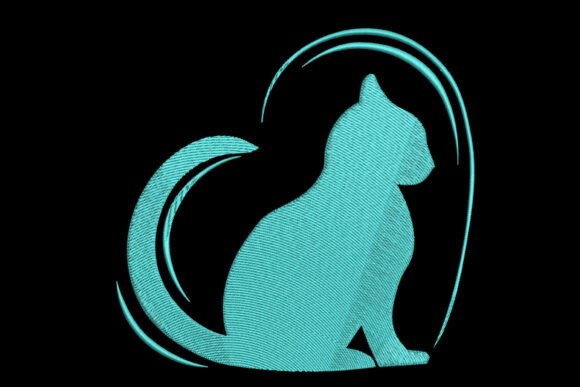
The title "Cat in Heart Embroidery" paired with the description "Minimalist Pet Lover Stitch" immediately signals a specific aesthetic. In a sea of busy, colorful, and overly detailed designs, minimalism often stands out because it feels modern and premium. The concept—a sleek feline silhouette framed by a graceful heart—is emotionally resonant without being cloying.
From a visual standpoint, this design likely strikes a balance between cute and elegant. It avoids the cluttered look of complex scenes, which means it translates well across different mediums. For Etsy sellers and boutique makers, this kind of clean line work suggests high-quality craftsmanship. It doesn’t scream for attention; instead, it invites the customer to lean in and appreciate the simplicity. This subtlety is crucial for handmade product lines that aim for a cohesive brand identity rather than a chaotic mix of styles.
Product Versatility: Where Cat in Heart Embroidery Shines
The true test of any embroidery file is its adaptability. Can it survive on multiple surfaces while maintaining its integrity? Here is how Cat in Heart Embroidery performs across popular market items:
- Tote Bag Design: A tote bag is the quintessential market item. Placing a minimalist cat heart on the front pocket or centered on a canvas tote creates an instant small shop product appeal. The contrast between the rough texture of canvas and the smooth stitches of the design adds tactile value.
- Apron Embroidery: Kitchen aprons are evergreen gifts. Because the design is compact, it fits perfectly on the chest area of an apron without overwhelming the wearer. It appeals to home cooks who love cats, making it a strong candidate for gift-giving seasons.
- Tea Towel Embroidery: Linen or cotton tea towels provide a neutral backdrop that allows thread colors to shine. A small, centered heart-cat motif looks sophisticated here, elevating a basic kitchen staple into a decorative piece.
- Embroidered Patch: If the design allows for a clean edge or appliqué backing, it works beautifully as a patch. Customers can apply these to denim jackets, backpacks, or beanies, extending the life of the design beyond a single finished product.
- Fabric Pouches and Caps: Small zippered pouches for makeup or pens benefit from a focal point that isn’t too large. Similarly, curved cap surfaces require designs that don’t distort easily; a simple silhouette like this usually handles curvature better than intricate details.
Production Practicality and Visual Impact
When producing for volume, efficiency matters. A design that is too dense takes longer to stitch, increasing labor costs and machine wear. Minimalist designs typically have lower stitch density, meaning faster production times. This is vital for commercial embroidery operations where margins are tight.
Photographing your products for online listings is another hurdle. Complex designs can get lost in shadow or blur when zoomed out. The Cat in Heart Embroidery concept, with its clear shapes and negative space, photographs exceptionally well. It reads clearly even in thumbnail images on Etsy or social media, which is critical for driving clicks. When customers see a clean, professional-looking image, they perceive higher value in the finished product.
Furthermore, this design feels repeatable. You can create a collection using different thread colors—soft pastels for spring, bold reds for Valentine’s Day, or classic black and white for year-round sales. This consistency helps build a recognizable brand aesthetic across your entire inventory.
Technical Considerations and Careful Use Notes
Even the simplest designs require technical scrutiny. Before mass-producing, an embroidery designer must consider several factors:
- Stitch Density and Detail: While minimalist, ensure the feline silhouette does not rely on tiny details that may disappear at smaller sizes. Check that the heart frame is thick enough to hold its shape without puckering.
- Fabric Texture: Textured fabrics like waffle-weave tea towels or heavy denim can obscure fine stitches. Test the design on your actual target fabric to ensure clarity.
- Thread Contrast: Dark fabric requires light threads, and vice versa. Poor contrast is the number one reason embroidered products look muddy. Choose thread colors that pop against your chosen material.
- Hoop Size and Stabilizer: Confirm the required hoop size matches your production capabilities. Use the appropriate stabilizer for each fabric type; tear-away for woven cottons, cut-away for knits or stretchy materials like caps.
- Small Lettering: If the design includes text, ensure it is legible. Tiny fonts often fail in embroidery unless they are very large or use a bold typeface.
Designer’s Checklist for Success
- Test on Scrap Fabric: Never go straight to the final product. Run a test stitch-out to check tension and alignment.
- Create Real Mockups: Don’t rely solely on digital previews. Create at least one physical sample to judge the hand-feel and drape.
- Compare Fabric Colors: Thread color perception changes under different lighting and on different fabric bases. Compare options side-by-side.
- Confirm Commercial Licensing: Before selling any digital embroidery file derivatives or finished goods, verify the commercial license terms. Ensure you have the right to sell the design assets in their embroidered form.
- Inspect Stitch Quality: Look for gaps, overlaps, or loose threads. A professional finish justifies a higher price point.
Final Verdict
The Cat in Heart Embroidery design holds significant promise for craft fair vendors and online sellers. Its minimalist nature makes it versatile, photogenic, and efficient to produce. By applying it to high-demand items like totes, aprons, and patches, you can create a cohesive line that appeals to pet lovers and design enthusiasts alike.
Success lies in the execution. Pay attention to thread choice, stabilizer support, and fabric texture. When done correctly, this design transforms from a simple digital file into a tangible handmade gift that customers will cherish. For the savvy entrepreneur, it represents a low-risk, high-reward addition to your catalog, blending emotional appeal with practical production values.