Blooming Floral Embroidery Design Review
As an embroidery designer who has spent years translating digital concepts into tangible merchandise, I approach every new file with a mix of creative enthusiasm and commercial skepticism. When evaluating a design for small business use, the question is never just "does it look pretty?" but rather "does it translate effectively to fabric, hold up to wear, and enhance brand value?" Today, I am reviewing the Blooming Floral Embroidery Design, a machine embroidery file that promises vibrant flowers and lush green leaves to add a cheerful touch to your projects. This review focuses on its viability for branded patches, apparel, and high-volume small business merch.
First Impressions: Visual Personality and Brand Fit
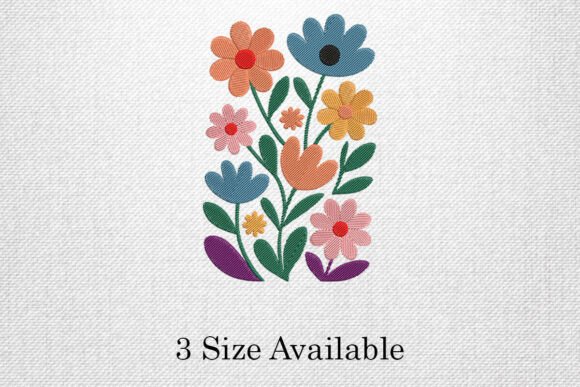
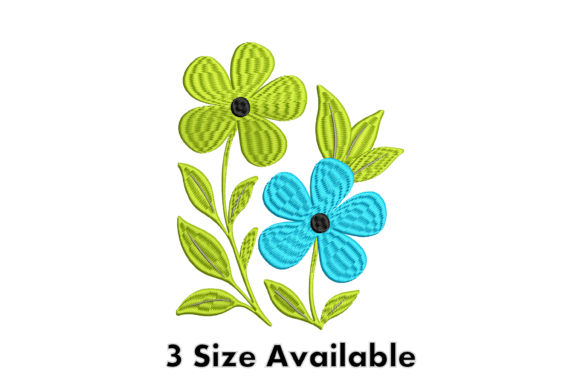
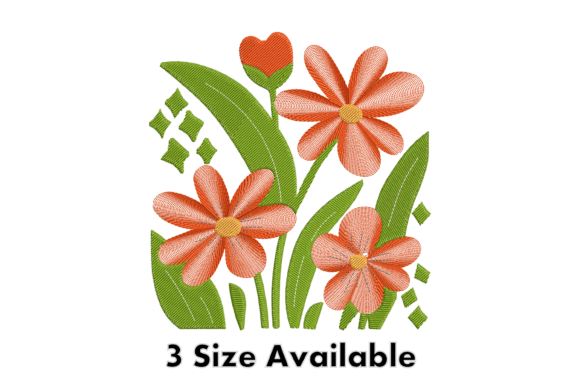
The moment you load the Blooming Floral Embroidery Design, the aesthetic speaks loudly. The description highlights "vibrant flowers" and "lush green leaves," which suggests a design that leans towards the playful, elegant, and modern spectrum. In the world of brand identity, this specific visual personality is incredibly versatile. It avoids the starkness of minimalist line art while maintaining enough structure to feel professional rather than amateurish.
For a boutique, a florist shop, or a handmade bakery, this design immediately signals warmth and approachability. It feels premium because of the implied density of the foliage, yet it remains friendly enough for customer gifts or event merchandise. However, if your brand is strictly corporate, industrial, or ultra-minimalist, this design might clash with your existing design assets. It works best for brands that want to communicate creativity, nature, growth, or artisanal quality.
Real-World Business Applications
Let’s move beyond the screen and discuss how this embroidery file performs in actual production scenarios. The fact that it comes in 3 sizes available is a significant advantage for multi-use branding strategies. Here is where I see the greatest potential for ROI:
- Embroidered Patches: The most common use for this type of floral motif is as a sew-on or iron-on patch. The "blooming" aspect provides excellent coverage, allowing for a dense stitch fill that looks luxurious on denim jackets, canvas totes, or leather goods. Because the design features distinct elements (flowers and leaves), it holds its shape well even when cut out, provided the backing is chosen correctly.
- Chest Logos and Sleeve Accents: For staff uniforms in cafes or boutiques, placing a smaller version of the Blooming Floral Embroidery Design on the left chest adds a subtle touch of personality without overwhelming the garment. It elevates standard work shirts from generic to curated, boosting employee pride and customer perception.
- Cap Embroidery: Curved surfaces like caps can be tricky. If the design scales down well, it can serve as a charming accent on the side or front panel of baseball caps. The vibrant colors will pop against neutral cap fabrics, making it ideal for promotional events or seasonal launches.
- Tote Bag Design: Canvas totes are a staple for Etsy sellers and craft businesses. A centered or corner-placed floral design here acts as a walking advertisement. The lush leaves provide enough visual weight to stand out against plain cotton or jute, ensuring the bag doesn’t look empty or cheap.
- Apron Embroidery: For bakeries or flower shops, aprons are both uniform and marketing tools. Placing this design near the pocket or hem adds a professional, finished look. It suggests attention to detail, which customers subconsciously associate with the quality of the food or products being served.
Strategic Considerations and Limitations
No design is perfect for every application. As a designer, I must point out where the Blooming Floral Embroidery Design requires careful handling to avoid production failures or unsatisfactory results.
Small Patch Sizes: While the file includes multiple sizes, extremely small reproductions (under 2 inches) may lose definition. Fine details in the petals or leaf veins might merge together, creating a muddy appearance. Always test the smallest intended size before committing to bulk production.
High Stitch Density: Designs with "lush" foliage often imply higher stitch counts. On delicate fabrics, this can cause puckering. You must ensure you are using the correct stabilizer—likely a cut-away stabilizer for stretchy knits or a heavy-duty tear-away for stable wovens—to maintain the integrity of the finished product.
Thread Color Contrast: The effectiveness of this design relies heavily on thread selection. On dark uniforms or black tote bags, light-colored threads are essential. If the design relies on subtle shading that isn't supported by your machine's color palette, it may look flat. Conversely, on white fabric, ensure the greens and flowers have enough contrast to remain legible.
Fabric Texture: Avoid using this design on highly textured fabrics like bouclé or rough burlap unless you are experienced. The intricate details of the flowers may get lost in the weave, ruining the crispness expected from commercial embroidery.
Impact on Brand Identity and Customer Trust
Investing in quality embroidery is an investment in perceived value. A well-executed Blooming Floral Embroidery Design on your merchandise does more than decorate; it builds trust. Customers associate neat, dense stitching with professionalism and durability. When a buyer sees a consistent floral motif across your totes, hats, and tags, it reinforces visual consistency.
This consistency is crucial for customer recognition. Over time, your audience will begin to associate those specific vibrant blooms with your brand’s ethos. Whether you are selling skincare, baked goods, or clothing, the emotional connection formed through tactile, high-quality handmade product presentation can drive repeat engagement. It transforms a simple commodity into a branded experience.
Practical Designer Notes for Production
Before you upload this file to your production hoopers, follow these essential steps to ensure success:
- Test in Black and White: Convert the design to grayscale first. This helps you evaluate the balance and spacing of the elements without the distraction of color. If it reads clearly in monochrome, it will likely embroider well.
- Check Hoop Size Compatibility: Ensure the largest size of the Blooming Floral Embroidery Design fits within your standard hoop dimensions. Running a design too large for the hoop can lead to misalignment or skipped stitches.
- Inspect Thread Color Contrast: Manually adjust thread colors in your software to match your target fabric. Test different combinations to find the highest contrast ratio for maximum visibility.
- Run a Fabric Test: Never produce final merchandise without a sample run on the exact fabric you plan to sell. Check for puckering, underlay stability, and thread tension issues.
- Create a Printable Mockup: Before investing in materials, generate a printable mockup to show clients or stakeholders. This allows for approval on placement and scale without wasting inventory.
- Confirm Commercial Licensing: Verify that your purchase includes commercial rights for unlimited merchandise production. Some digital embroidery files restrict the number of units you can sell.
In conclusion, the Blooming Floral Embroidery Design is a strong contender for small business owners looking to add a touch of elegance and cheer to their custom apparel and accessories. Its versatility across patches, caps, and totes makes it a valuable asset for any brand aiming to project a friendly, professional image. By following proper testing protocols and considering fabric limitations, you can leverage this design to create memorable, high-value merchandise that resonates with your audience.