Abstract Geometric Shapes Embroidery Review
If you are preparing for a busy weekend at a local craft fair or refreshing your Etsy seller inventory, the visual impact of your booth can make or break sales. As an experienced embroidery designer, I spend my days evaluating digital assets not just for their artistic merit, but for their commercial viability. Today, I am reviewing the Abstract Geometric Shapes Embroidery design to determine if it has the potential to become a best-selling crafter fair product. This review focuses on how this modern aesthetic translates from a screen to a physical handmade product, specifically targeting boutique makers and creative entrepreneurs looking to elevate their brand.
First Impressions: Modern Minimalism Meets Market Appeal
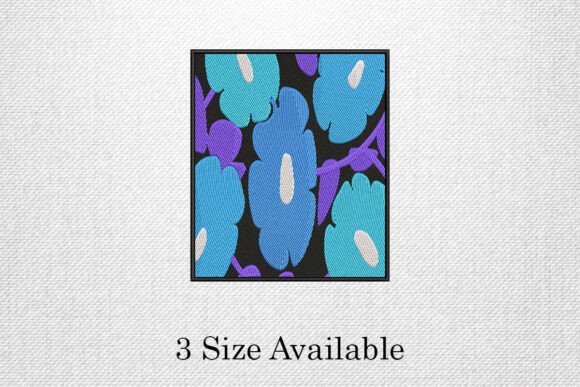
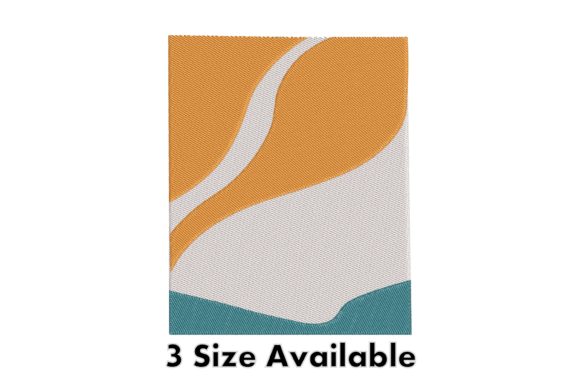
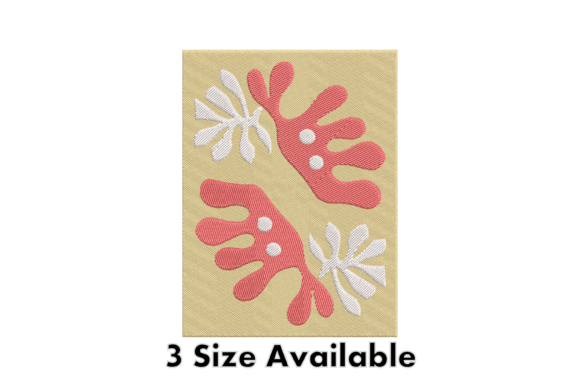
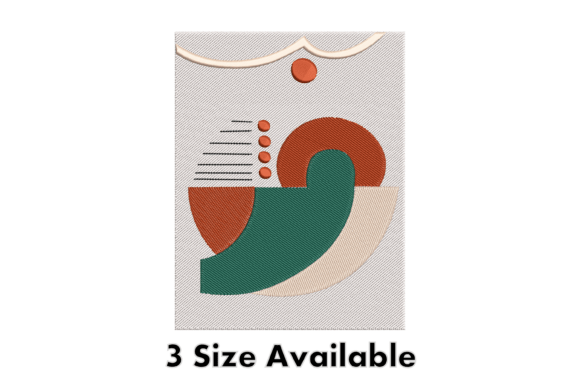
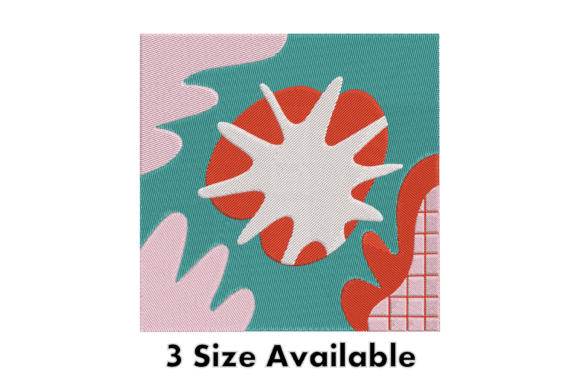
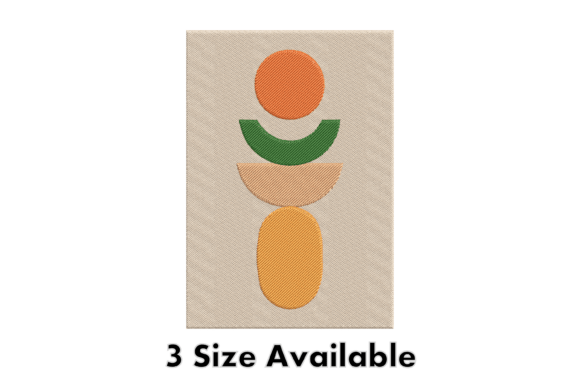
The moment you preview the Abstract Geometric Shapes Embroidery file, the first thing that strikes me is its clean, contemporary vibe. In a sea of floral, farmhouse, and vintage-inspired designs that dominate handmade markets, abstract geometry offers a sharp contrast. It feels premium, sophisticated, and distinctly modern. For customers who appreciate mid-century modern decor or minimalist interior design, this design hits the sweet spot between decorative and functional.
Unlike intricate pictorial designs that require close inspection to appreciate, geometric shapes command attention from across the room. The bold lines and structured forms create a strong focal point. This is crucial for booth display strength; when a customer walks by, they need to see the value immediately. The design’s simplicity allows it to feel uncluttered, which suggests a higher-quality finish even before the customer touches the item. It avoids looking "busy," ensuring that the craftsmanship remains the star rather than getting lost in overly complex details.
Product Versatility: Where Does It Shine?
One of the most valuable traits of a successful machine embroidery design is its versatility. The Abstract Geometric Shapes Embroidery pattern is remarkably adaptable. Because it relies on shape rather than narrative imagery, it pairs well with a wide variety of fabrics and garment styles. Here is how I see it performing on key handmade product categories:
- Tote Bags and Market Bags: A tote bag design is often the bread and butter of craft fair sales. Placing this geometric motif on a sturdy canvas tote creates an instant accessory that looks like it belongs in a high-end boutique. It photographs beautifully for online listings, offering a crisp, professional look that appeals to urban shoppers.
- Kitchen Linens: For home decor enthusiasts, this design transforms simple tea towel embroidery projects into stylish kitchen accents. On a linen or cotton tea towel, the geometric shapes add a pop of personality without overwhelming the space. It works equally well as a set, creating a cohesive collection that encourages buyers to purchase multiple items.
- Caps and Patches: When scaled down, the design becomes an excellent candidate for an embroidered patch or a cap front panel. The solid blocks of color typical in geometric designs hold up well on curved surfaces, provided the stitch density is managed correctly. It adds a subtle, trendy touch to dad hats or beanies.
- Pillows and Wall Art: On soft furnishings like pillow covers, the design brings a graphic element to living spaces. It bridges the gap between textile art and functional decor, making it a perfect gift item for housewarmings or holidays.
Production Practicality and Visual Strategy
From a production standpoint, efficiency is money. The fact that this design comes in three sizes is a significant advantage. It allows you to test different applications without committing to a single scale. A small size might serve as a chest logo on a hoodie, while the largest size could anchor a large statement piece like a throw pillow.
When considering how this design performs in printable mockups for your Etsy listing, remember that clarity is king. Geometric designs tend to photograph very well because the edges are sharp. However, you must ensure that your lighting highlights the texture of the thread. The interplay of light on satin stitches versus fill stitches can add depth that flat images miss. Creating at least one real mockup is essential to confirm that the thread colors you choose provide enough contrast against your fabric choice.
This design also excels in batch production. Because the shapes are uniform and predictable, hooping and positioning can be standardized. You can set up a workflow where you embroider multiple items in succession, knowing exactly where the design will sit. This repeatability is vital for commercial embroidery businesses aiming to meet demand during peak seasons.
Crucial Considerations for Quality Control
While the design is promising, there are practical nuances every designer must address before mass production. First, inspect the stitch density. Geometric designs often use dense fills to cover area efficiently. If the density is too high, it may pucker lighter fabrics like thin cotton tees. Always test on scrap fabric to see how the material reacts to the tension.
Second, consider the fabric texture. While smooth fabrics like denim or twill showcase geometric lines perfectly, textured fabrics like boucle or heavy waffle weave can obscure the fine details of the shapes. Ensure your chosen fabric complements the precision of the design.
Third, pay attention to hoop size and stabilizer selection. Using the wrong stabilizer can lead to shifting, which ruins the symmetry of geometric patterns. A cut-away stabilizer is generally recommended for garments to maintain structure over time, while tear-away may suffice for stable home decor items. Always confirm the recommended stabilizer in the design file instructions.
Final Verdict: A Strong Addition to Your Catalog
The Abstract Geometric Shapes Embroidery design is a versatile, modern asset that fits seamlessly into the current market trends favoring clean, minimalist aesthetics. It appeals to a broad demographic, from young professionals buying tote bags to homeowners seeking chic kitchen accents. Its ability to function as both a subtle accent and a bold focal point makes it a reliable tool for any small shop product line.
To maximize its potential, focus on high-contrast thread colors and quality base materials. Avoid overcrowding your booth displays; let the clean lines of the design speak for themselves. By pairing this digital embroidery file with thoughtful product choices—like premium canvas totes or soft linen towels—you can create a cohesive brand identity that resonates with customers looking for quality and style.
Before adding this to your production queue, take the time to create a few variations. Experiment with monochromatic threads for a subtle look, or use contrasting brights for a playful vibe. Check your commercial licensing terms to ensure you are cleared to sell finished goods. With careful execution, this design has the potential to become a staple in your repertoire, driving engagement and sales at your next craft fair or online store launch.